Simplifying
Home Exchange for Everyone, Everywhere 🍃
The hub for permanent home exchange in Europe - creating & connecting national home swap platforms and cities to create sustainable, long-term housing solutions.
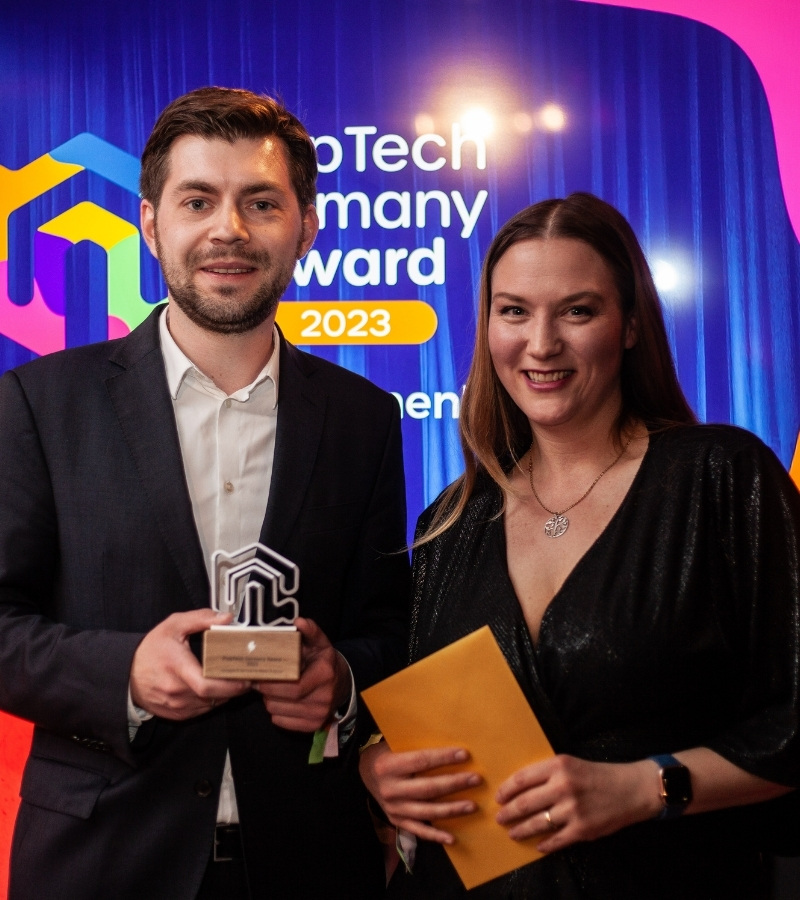
| Recognized for Excellence Winner of 3 awards for innovation and sustainability
Trusted by 380K Customers Active
0
k+
Swaps
0
k+
Listings / yr
0
k
tons CO₂ saved
Discover a global initiative to simplify home swapping and create a sustainable way of living.
Our Vision
To empower individuals to find their ideal homes through a culture of exchange, fostering connections, and inspiring sustainable lifestyles across borders.
Our Mission
Lets Swap Homes aims to revolutionize the housing market by providing an accessible, eco-conscious platform for home swapping, enabling everyone to live where they thrive.
What is Let's Swap Homes?
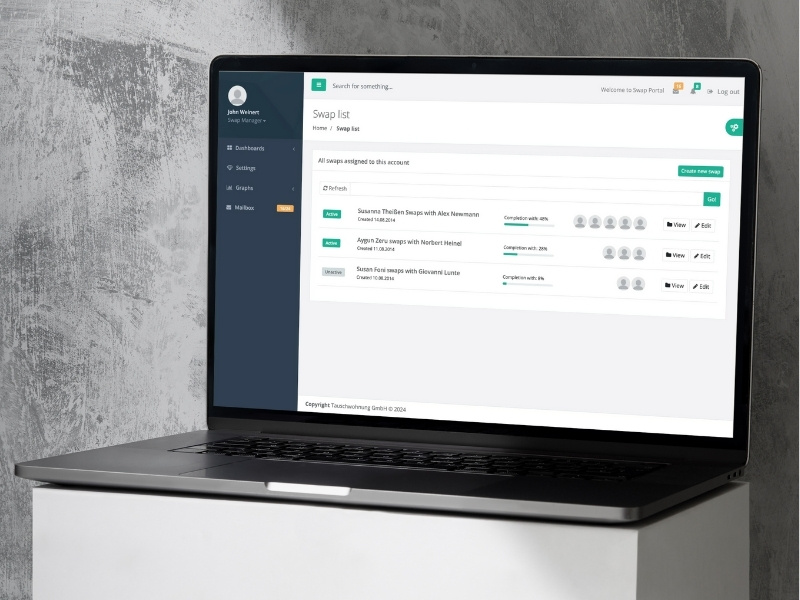
Let's Swap Homes is not a separate marketplace, but a neutral place that shows and connects
national platforms for permanent home exchange in Europe. We make it easier to understand
where our long-term home swap solutions already exist.
Permanent home exchange in Europe
Instead of constantly searching on the open market, permanent home exchange allows households to swap their existing homes – whether rented or owned, apartments, houses or single rooms in shared flats. For rented homes this usually means that current tenancy agreements are ended and new ones are signed with the same housing providers: each household effectively becomes the next tenant (successor tenant) in the other home. Everything can be swapped: classic one-to-one exchanges or multi-party swap circles (for example a three-way swap). Our goal is to make permanent home exchange in Europe more visible, more transparent and more accessible – by bringing together the key players, cities and platforms in one place.
How We Support the UN Sustainable Development Goals
Let's Swap Homes and its national platforms contribute to several UN Sustainable Development Goals (SDGs)
by making better use of existing homes, strengthening local communities and reducing the environmental
footprint of housing. Below is an overview of the SDGs that our permanent home exchange movement supports.
SDG 11
SDG 8
SDG 9
SDG 12
SDG 15
SDG 11 Sustainable Cities and Communities
Permanent home exchange makes better use of existing housing stock and helps people move into homes
that fit their lives without constantly expanding cities into new areas. By improving matching within
the current housing system, we support more inclusive, affordable and sustainable cities and
communities.
SDG 8 Decent Work and Economic Growth
Our platforms make it easier for people to relocate for example for work, education or family reasons while staying
in the regulated housing market. Better matches between housing and jobs can reduce commuting,
stabilise life situations and support local economic activity in a fair and sustainable way.
SDG 9 Industry, Innovation and Infrastructure
Let's Swap Homes drives digital innovation in the housing sector. Together with cities and housing
providers, we build based on efficient digital infrastructures for permanent home exchange making housing services more resilient, accessible and future-proof.
SDG 12 Responsible Consumption and Production
Instead of constantly creating new housing, permanent home exchange focuses on using what already
exists more intelligently. By helping households swap into better-suited homes, we support a more
resource-efficient use of living space and contribute to a circular approach in the housing sector.
SDG 15 Life on Land
When existing homes are used more efficiently, pressure to build on open land and green spaces can be
reduced. Permanent home exchange helps to limit land take and urban sprawl, supporting the protection
of natural ecosystems and biodiversity around our cities.
FAQ about Permanent Home Exchange in Europe
Answers to the most common questions about our European home exchange movement.
Permanent home exchange means that two or more households swap their existing homes on a long-term or final basis instead of searching for new homes on the traditional market. In practice, especially for rented housing, this usually means that existing tenancy agreements are terminated and new tenancy agreements are signed with the same housing providers – each household effectively acts as the next tenant (successor tenant) for the other home. Homes can be rented or owned, apartments, houses or single rooms in shared flats. Swaps can be direct between two parties or organised as multi-party swap circles (for example three-way swaps). It is a way to move into a better-fitting home while keeping overall housing space in balance.
No. Let's Swap Homes is not a separate marketplace and does not host listings. It is a neutral hub that connects and showcases national permanent home exchange platforms and city projects across Europe, making the overall movement more visible and transparent.
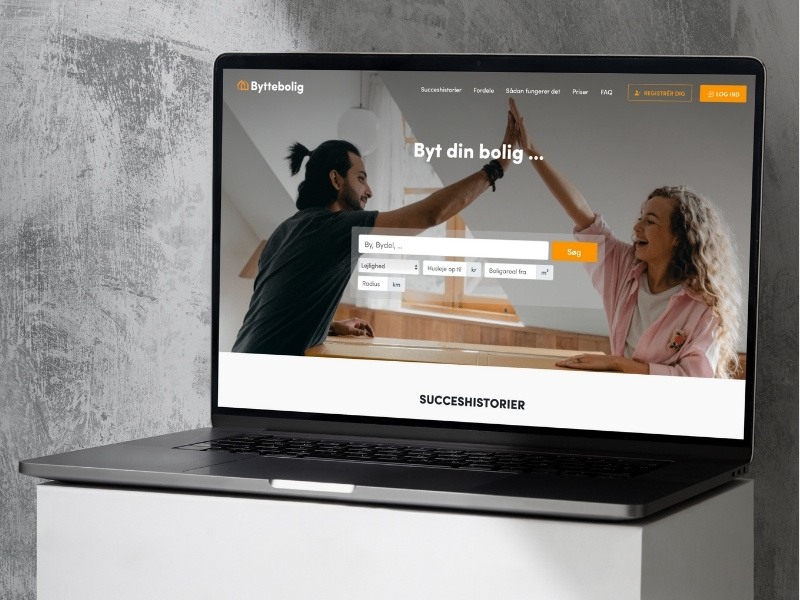
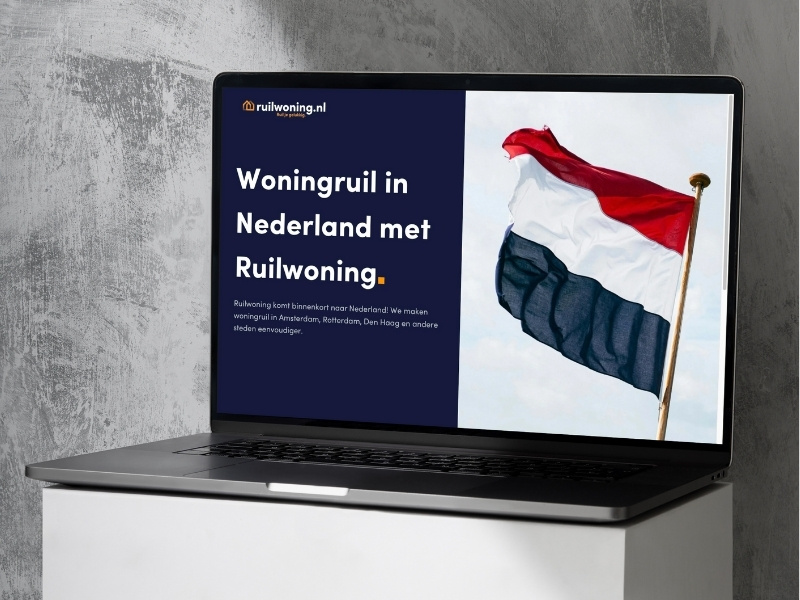
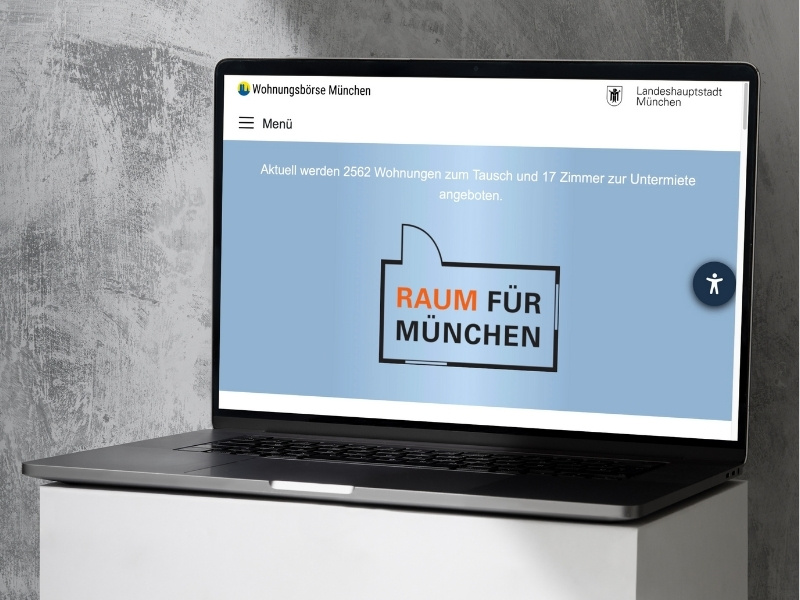
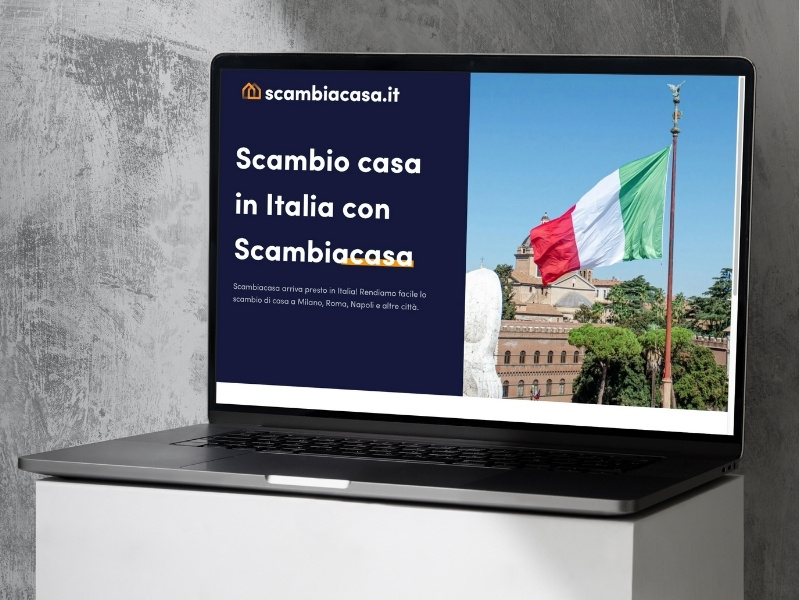
Today, permanent home exchange platforms and city projects exist in several European countries, including Germany, Austria, Switzerland, the Netherlands, Sweden, Denmark and soon Italy. Let's Swap Homes provides an overview of these national platforms and continues to add new partners as the movement grows. Contact us for more knowledge and to see all the relevant movements in European countries.
Permanent home exchange is ideal for everyone who needs a home that better fits their life situation.
For example families needing more space, older people looking to downsize, or people relocating to another city for work or study.
Permanent home exchange follows a circular-economy logic in the housing sector: instead of constantly building new homes, it makes better use of the dwellings that already exist. When households swap into homes that better fit their life situation, oversized or underused flats are freed up and reallocated. This can reduce pressure for costly new construction, lower material and energy use in the building sector and help cut embodied and operational CO₂ emissions. At the same time, housing companies can stabilise occupancy rates, avoid long vacancies and modernise step by step within the existing stock rather than always expanding at the edge of the city.